核心寓意
從文化脈絡認識紅線傳統,理解不同故事與實踐之間的差異,並以尊重的方式看待寓意飾品。
從文化脈絡認識紅線傳統,理解不同故事與實踐之間的差異,並以尊重的方式看待寓意飾品。
從文化脈絡認識紅線傳統,理解不同故事與實踐之間的差異,並以尊重的方式看待寓意飾品。
從文化脈絡認識紅線傳統,理解不同故事與實踐之間的差異,並以尊重的方式看待寓意飾品。
先確認願望與使用情境,再比較材質、符號、舒適度,以及是否適合日常配戴。
閱讀完整指南,比較相關符號、保養方式、送禮情境與商品方向,避免把所有手鍊都當成同一種選擇。
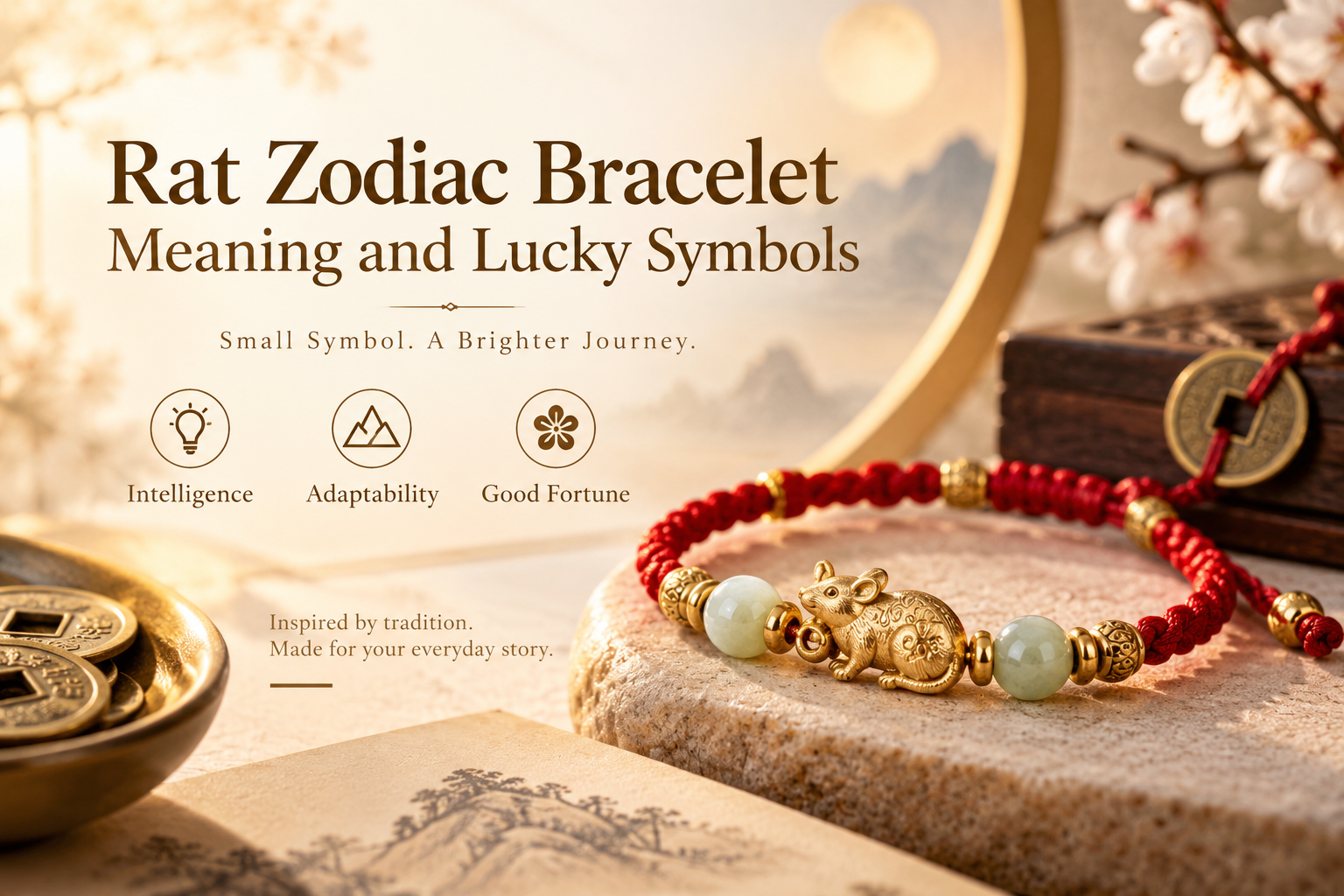
Red thread is a useful example of how a simple material can carry different meanings in different places. A cord may appear in a story about connection, a family celebration, a folk-protection practice, or a religious setting. The shared color does not make those practices interchangeable.
For that reason, this page does not treat red string as a single global tradition. It offers a few documented entry points and a practical rule for readers, makers, and gift-givers: name the specific context when you know it, and describe a symbol modestly when you do not.
In Chinese visual culture, red has long appeared in celebratory, protective, and auspicious settings. The Smithsonian National Museum of Asian Art notes its presence in official robes, wedding dress, babies clothing, gift envelopes, and protective architectural color. That broad cultural role is not the same thing as a single bracelet custom.
A different but related image is the red thread of fate: a folklore motif about an unseen connection between destined partners. It is best understood as a narrative image about relationship and matchmaking, rather than evidence that every red cord or bracelet carries the same romantic meaning.
Red-string bracelets are also associated with some Jewish folk practices concerning protection from the evil eye. Jewish educators note that the practice has mixed historical roots and is not uniformly grounded in Jewish text or accepted by every religious authority.
That distinction matters in product descriptions and gifts. Calling any red bracelet a universal Kabbalah object would overstate the evidence and flatten a living tradition. A more accurate description identifies it as a contemporary or folk-associated practice when that is the actual context.
Respectful wearing starts with curiosity rather than certainty. Learn what a symbol means to the people and communities connected to it, do not invent rules about which wrist guarantees an outcome, and avoid treating sacred or protective language as a sales promise.
A simple red cord can still be meaningful without claiming more than it can support. It can mark encouragement, remembrance, a relationship, or a personal intention. When gifting it, a plain note about why you chose it is often more honest and more personal than a borrowed spiritual claim.
Ask which tradition or story is being referenced, whether the maker can explain the materials and context clearly, and whether the description separates cultural meaning from promised results. If those answers are vague, it is fine to describe the item simply as a red cord bracelet rather than attach a stronger claim.
For writers and editors, the same approach makes a better source: cite the institution or scholarship that supports a specific statement, distinguish folklore from formal religious practice, and leave room for variation within a community. That is more useful than a broad claim that every red string means luck or protection.
No. Similar objects can belong to different cultural, folk, religious, and personal contexts.
No. It is a specific East Asian folklore motif about connection and matchmaking, not a universal bracelet rule.
Name the specific context when it is documented, cite a source for cultural claims, and avoid guaranteed spiritual or protective outcomes.
Museum context for the many ceremonial and cultural roles of red in Chinese visual culture.
A cultural-literature reference for the Chinese red-thread-of-fate story.
A nuanced discussion of red string in Jewish folk practice and differing attitudes toward it.