Core idea
Feng Shui jewelry uses symbols, colors, and materials to express a desired form of balance.
Explore Feng Shui bracelet meanings, wearing traditions, common materials, and how to choose by intention such as wealth, protection, luck, love, or calm.
A Feng Shui bracelet is not just a color or charm choice. It is usually chosen around an intention such as wealth, protection, harmony, love, or confidence.
Feng Shui jewelry uses symbols, colors, and materials to express a desired form of balance.
Common themes include protection, money luck, emotional grounding, love, and personal energy.
Begin with the intention first, then compare symbols such as Pixiu, obsidian, jade, and red string.
A Feng Shui bracelet is a symbolic bracelet chosen around intention, energy, and auspicious meaning. It may use crystals, wood beads, red cord, jade-inspired beads, lucky knots, Pixiu charms, coins, zodiac symbols, or protective stones.
The purpose is not only visual style. A Feng Shui bracelet gives the wearer a small daily anchor for the kind of balance they want to invite: protection, wealth, calm, love, confidence, clarity, or good fortune.
Meaning usually comes from several layers at once. Color carries one message, material carries another, and the charm or symbol adds a more specific story. A black obsidian Pixiu bracelet, for example, combines protection, wealth, and grounding.
This layered meaning is why two bracelets can look similar but feel very different. A red string bracelet with one charm can feel light and blessing-oriented, while a heavy bead bracelet with Pixiu may feel more focused on money luck and protection.
Historically, Feng Shui symbolism has always worked through relationships: between object and space, color and intention, material and feeling. A bracelet compresses those relationships into a personal item. That makes it useful for modern shoppers who may not be redesigning a home but still want a daily object with meaning.
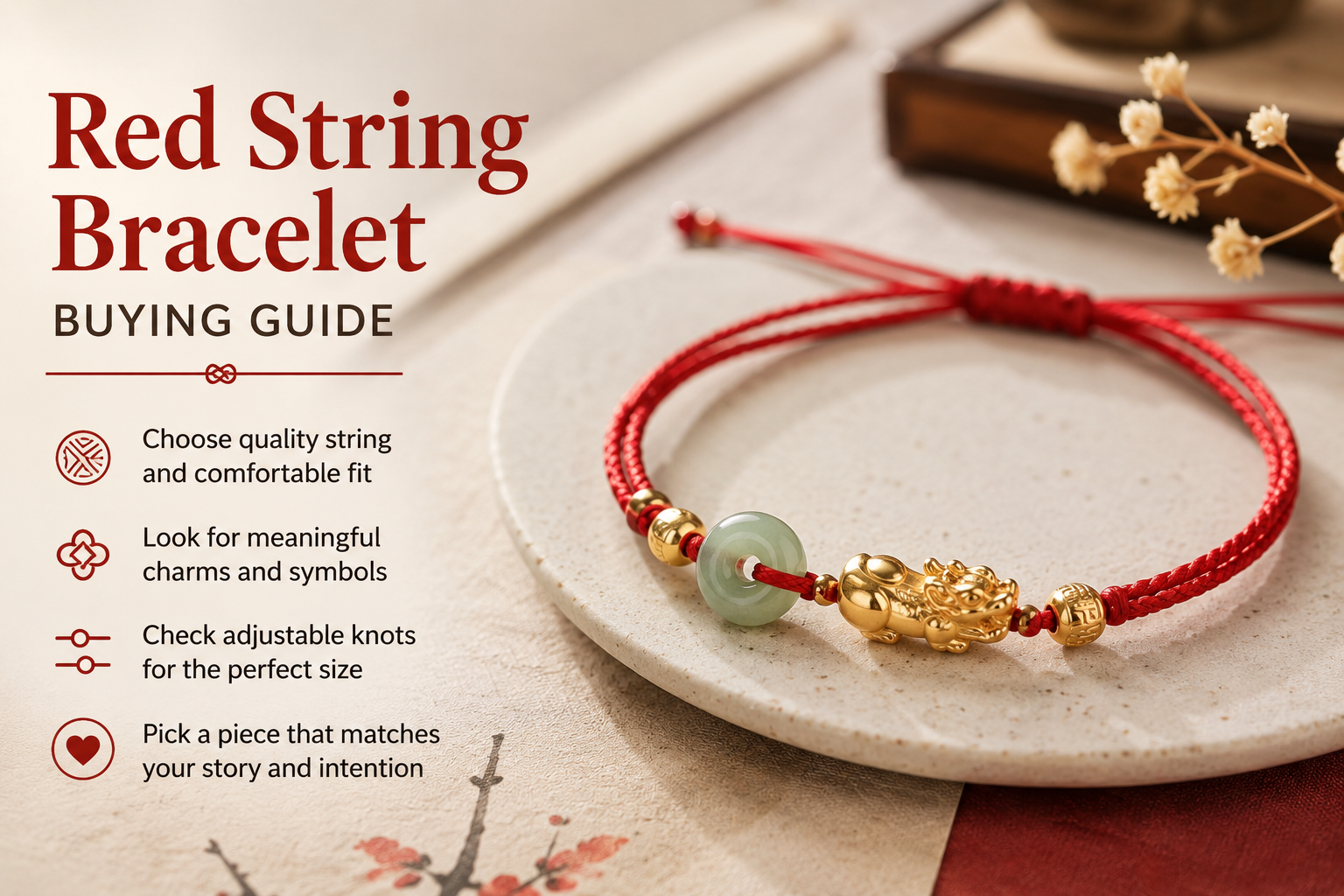
Before choosing a bracelet, name the intention. Wealth and career usually point toward Pixiu, coins, tiger eye, or gold-tone details. Protection often points toward black obsidian, red string, or guardian symbols. Love and emotional ease may point toward rose quartz or softer colors.
This approach helps shoppers avoid buying every symbol at once. A focused bracelet is easier to understand, easier to wear, and more useful as a reminder.
Shop by the intention first: wealth, protection, calm, love, or everyday luck.
A Feng Shui bracelet should fit the wearer’s real routine. Stretch cord, bead size, charm weight, and water exposure matter. If the bracelet is uncomfortable or fragile, it will not become a daily object.
Many people also treat the first wearing as a small ritual: clean the bracelet, set an intention, and put it on with attention. The ritual does not need to be dramatic. It simply marks the bracelet as meaningful rather than random.
The most common mistake is choosing by superstition without personal connection. A bracelet becomes more useful when the wearer understands the meaning and genuinely likes the object.
Another mistake is ignoring quality. Loose knots, weak elastic, rough beads, or oversized charms make the bracelet harder to wear. Good symbolism still needs good construction.
Pixiu bracelets are best when the main intention is wealth, prosperity, and protection. Obsidian bracelets are best when the wearer wants grounding and a stronger protective feeling. Red string bracelets are best for blessing, luck, and simple symbolic gifting. Crystal bracelets are best when the shopper wants to begin with stone meaning and emotional intention.
This comparison matters because Feng Shui jewelry can become confusing quickly. Many product titles mention luck, energy, wealth, protection, blessing, and healing at the same time. A good guide helps shoppers slow down and ask: what is the one message I want this bracelet to carry?
For wealth, look at Pixiu, coins, tiger eye, and gold-tone accents. For protection, compare obsidian, red string, guardian symbols, and darker beads. For calm, look at softer crystal bracelets or wood beads. For gifting, choose symbols that are easy to explain without making the recipient feel they must follow strict rules.
Compare Pixiu, obsidian, red string, and crystals by meaning and daily wear.
Material gives the bracelet its physical mood. Black obsidian feels protective, tiger eye feels confident, jade-inspired beads feel classic, red cord feels auspicious, and wood beads feel calm and tactile. Color adds another layer: red for luck and vitality, black for protection, green for harmony, gold for wealth, and soft pink for affection.
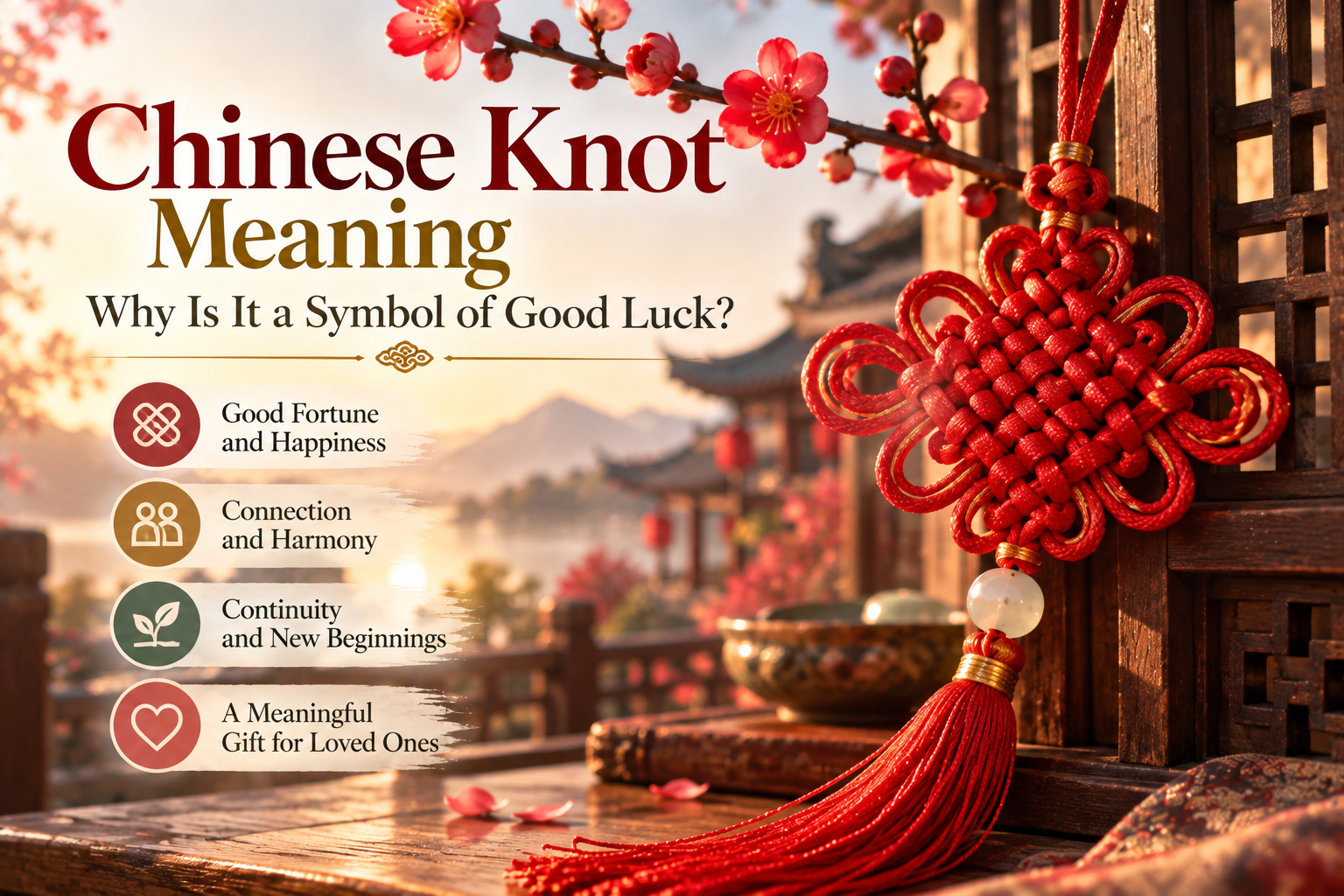
Symbol choice should be just as deliberate. Pixiu points toward wealth protection. Coins suggest money luck. Knots suggest connection and blessing. Zodiac symbols make the bracelet personal. Lotus, gourd, and other auspicious motifs each add their own cultural story.
When these layers agree with each other, the bracelet feels coherent. When they compete, the shopper may be left with a pretty object but no clear reason to choose it.
The most effective Feng Shui bracelet is one the wearer can actually keep in rotation. Place it somewhere visible, put it on with the same short intention each morning, and remove it before activities that may damage the cord or beads. This turns the bracelet into a habit instead of a one-time purchase.
For many shoppers, the routine is more important than complicated rules. A bracelet worn with attention can remind someone to spend carefully, speak calmly, protect their energy, or move through the day with more confidence. That practical reminder is often what makes symbolic jewelry valuable in modern life.
Also know when not to buy. If the wearer dislikes bracelets, works with tools, or needs jewelry that can get wet every day, a delicate Feng Shui bracelet may not be the best first choice. In that case, choose a sturdier bead design, a charm necklace, or a simpler lucky object that fits the real lifestyle.
For an online shop, this guidance also improves trust. Shoppers should feel that the guide helps them choose wisely, even when that means choosing a simpler product with confidence and long-term comfort.
Traditional Feng Shui is about harmony between people and their surroundings. Jewelry is a newer, more portable expression of that idea. Instead of arranging furniture, doors, light, and objects in a room, the wearer chooses a symbol that can travel with them.
This is why Feng Shui bracelets appeal to modern readers. They want meaning, but they also want something easy to wear. A bracelet can support a daily ritual without requiring a full lifestyle change. It can also be a gift that says protection, luck, or encouragement in a compact form.
A strong Feng Shui guide should connect those layers: cultural background, symbol meaning, material choice, wearing habits, and product direction. That combination gives the reader a complete path from curiosity to purchase.
If the reader wants money luck or business symbolism, start with Pixiu and wealth-focused bracelets. If they want emotional steadiness or protection, start with obsidian. If they want a light blessing gift, start with red string. If they want a soft personal reminder, start with crystal or jade-inspired pieces.
After choosing the intention, compare the material and wearing style. Stretch bead bracelets feel substantial and ritual-like. Cord bracelets feel lighter and easier to gift. Charm bracelets make the symbol more visible. Minimal bracelets work better for people who want meaning without a strong visual statement.
This decision path keeps the guide useful for both readers and shoppers. It answers informational questions first, then leads naturally toward the right product category instead of pushing every bracelet at once.
That makes the page feel like a trusted guide rather than a collection page with extra text. It also gives search engines a clearer map of how the brand understands intention, material, symbol, and product choice.
No. Meaning comes from symbol, material, intention, and wearability, not price alone.
A focused design such as Pixiu for wealth, obsidian for protection, or red string for blessing is easier to start with.
Yes, but the combination should feel clear. Too many unrelated symbols can make the intention confusing.
A beginner-friendly explanation of why Feng Shui bracelets became popular.
PixiuUnderstand one of the most important Feng Shui bracelet symbols.
ObsidianLearn why obsidian is often connected with protection and grounding.
Red StringSee how blessing and protection symbolism fits into the cluster.