
What Is a Feng Shui Bracelet? (And Why So Many People Swear by It)
If you’ve ever seen a bracelet made of dark wooden beads, golden charms, or carved mythical creatures and wondered, “Is that just jewelry—or something more?”—you’re not alone.
ค้นพบเรื่องราว ประเพณี และสัญลักษณ์ของกำไลฮวงจุ้ย คริสตัล เครื่องราง และลูกปัดภาวนา
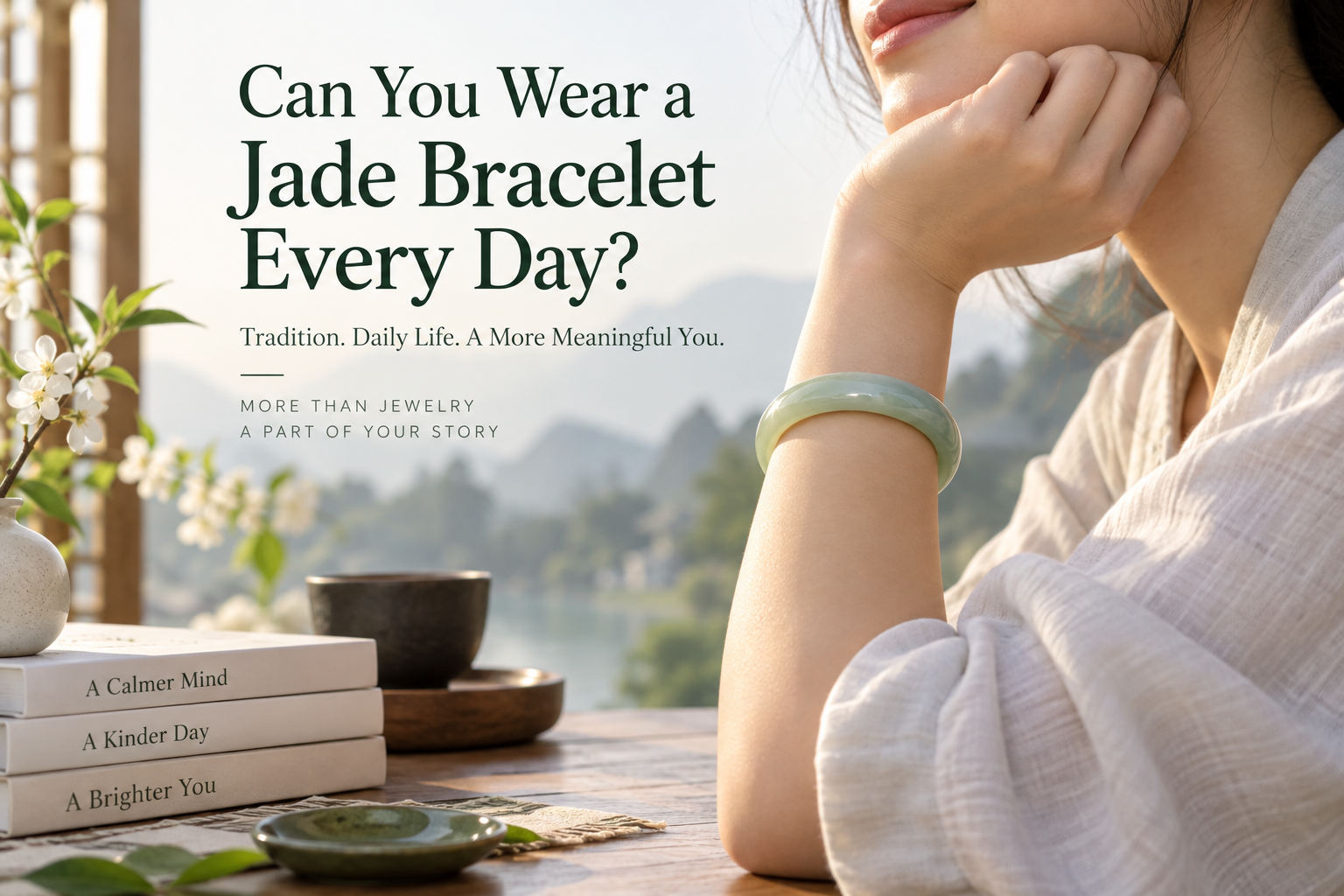
Yes, you can wear a jade bracelet every day. In fact, traditionally, jade was not something people in China saved only for special occasions. It was often worn close to the body, sometimes for many years. But "every day" does not necessarily mean "every moment." Jade is durable enough for regular wear, but it still deserves a little care. If you are thinking about making a jade bracelet part of your daily routine, here is what I would keep in mind.
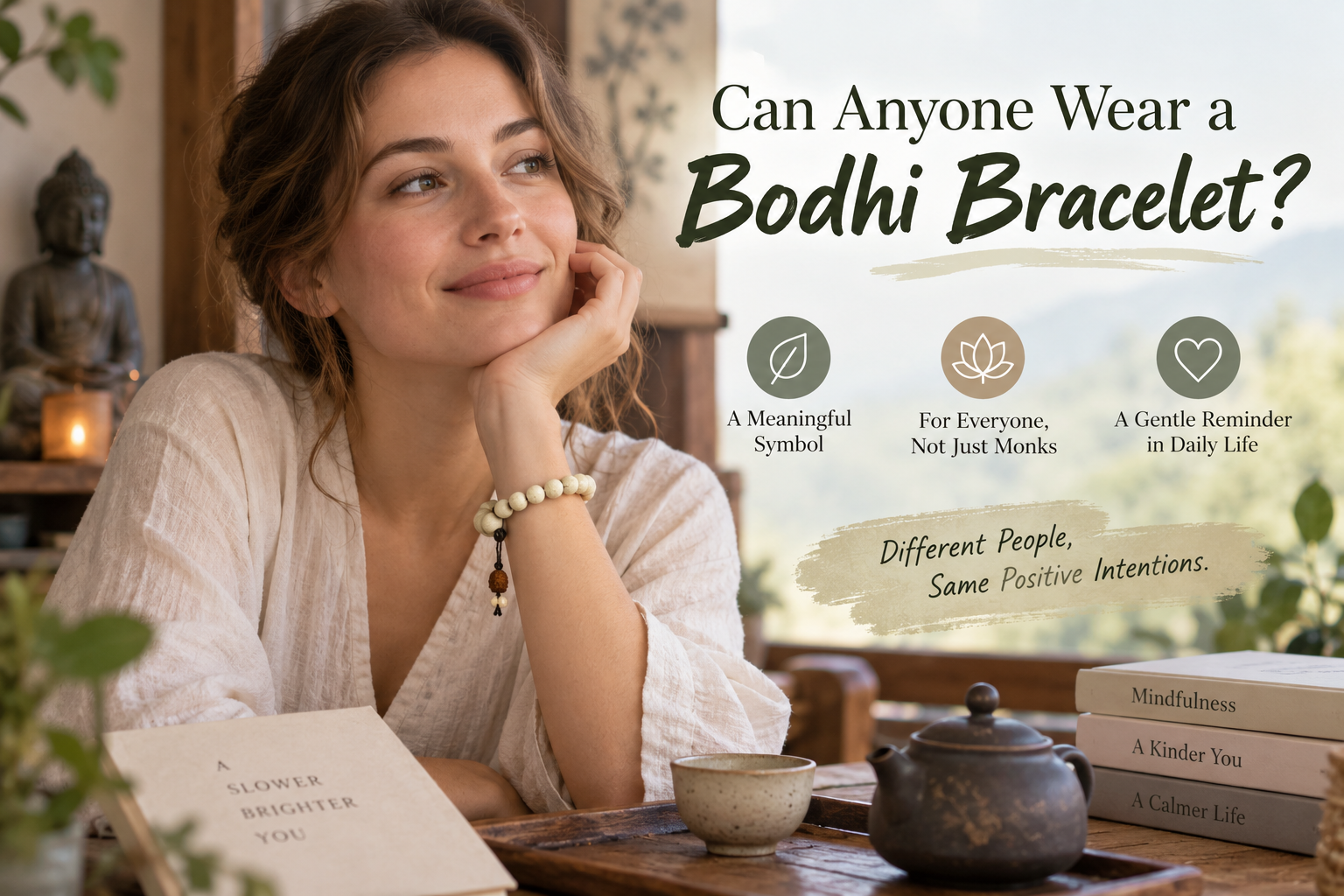
Bodhi bracelets are often photographed beside incense, tea, or meditation cushions, so it is easy to assume that they belong only to monks, Buddhists, or people who practice meditation. But in everyday life, the answer is much simpler: yes, almost anyone can wear a Bodhi bracelet. You do not have to follow a particular religion, understand every Buddhist teaching, or meditate every morning. For many people, a Bodhi bracelet is simply a meaningful object — something that reminds them to slow down, stay grounded, or carry a little intention into an ordinary day.
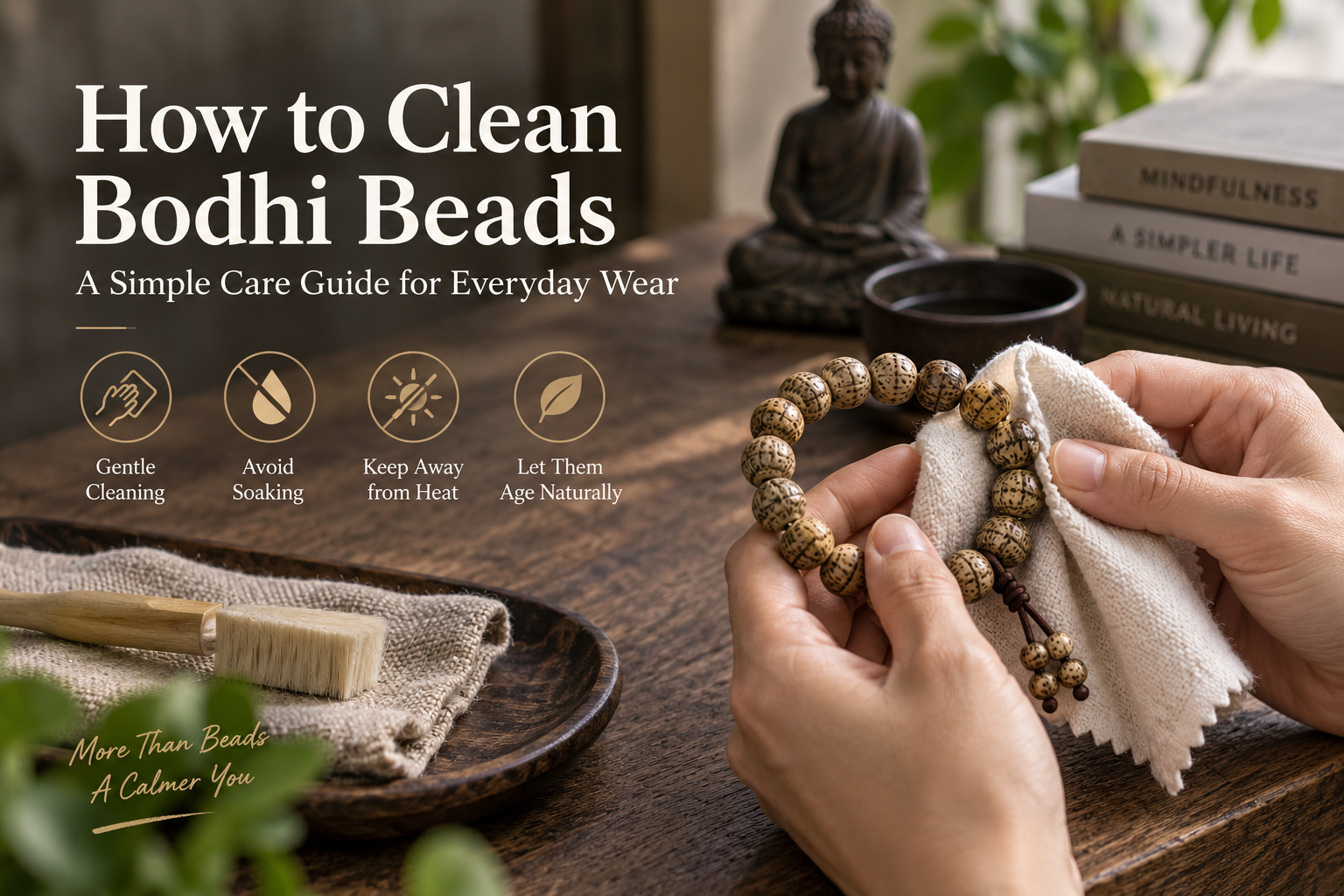
Bodhi beads are the kind of jewelry that often looks better with time. A new Bodhi bracelet may feel smooth, pale, and almost untouched. After months of wearing it, the surface can gradually become warmer in color and develop a softer, more personal character. For many people, that change is part of the appeal. But everyday wear also brings sweat, skin oils, dust, and the occasional splash of coffee or rain. Sooner or later, you may wonder: how should you actually clean Bodhi beads without damaging them?

If you’ve ever seen a bracelet made of dark wooden beads, golden charms, or carved mythical creatures and wondered, “Is that just jewelry—or something more?”—you’re not alone.
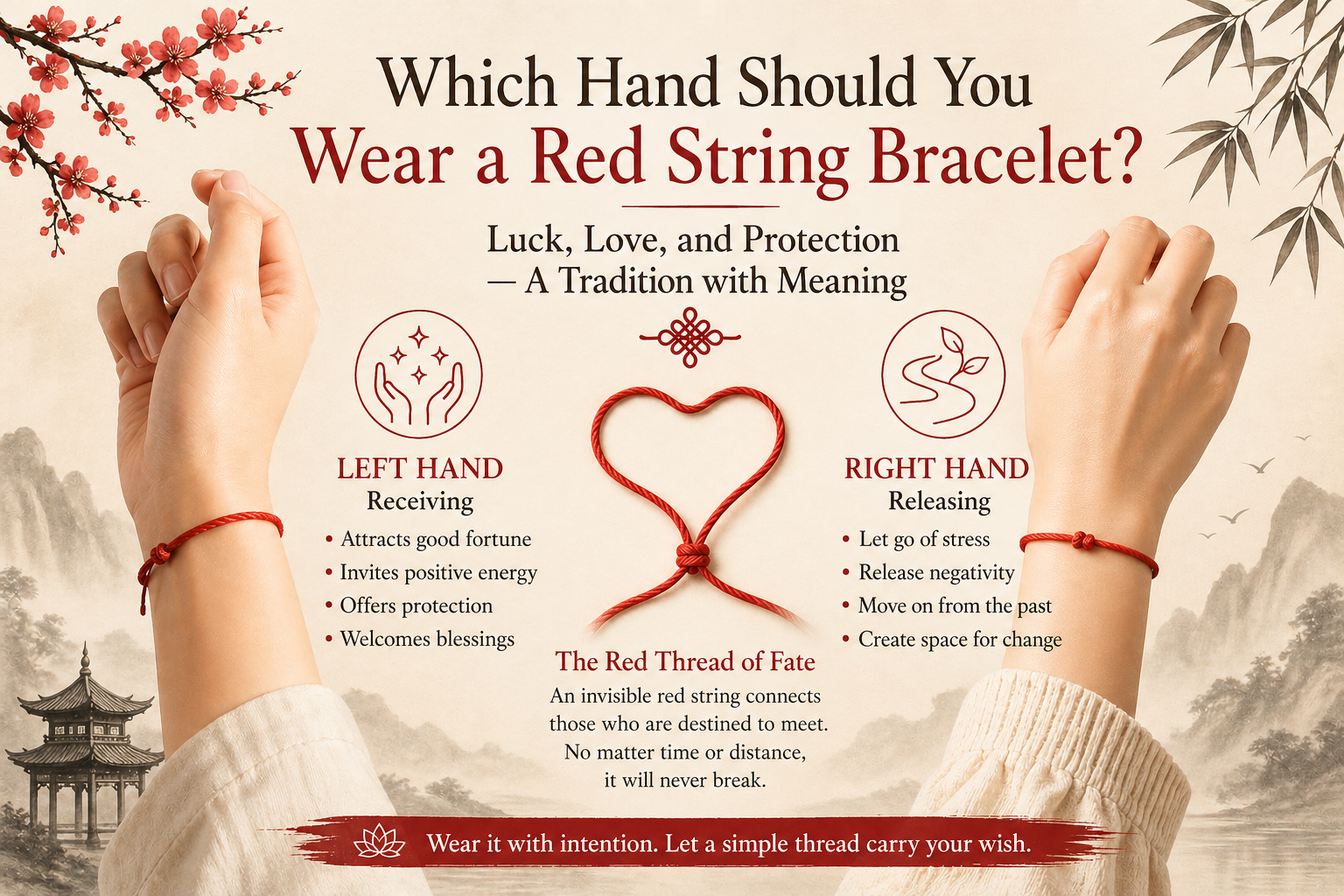
If you’ve ever seen someone wearing a simple red string bracelet, you might have wondered—why red, and why that wrist?
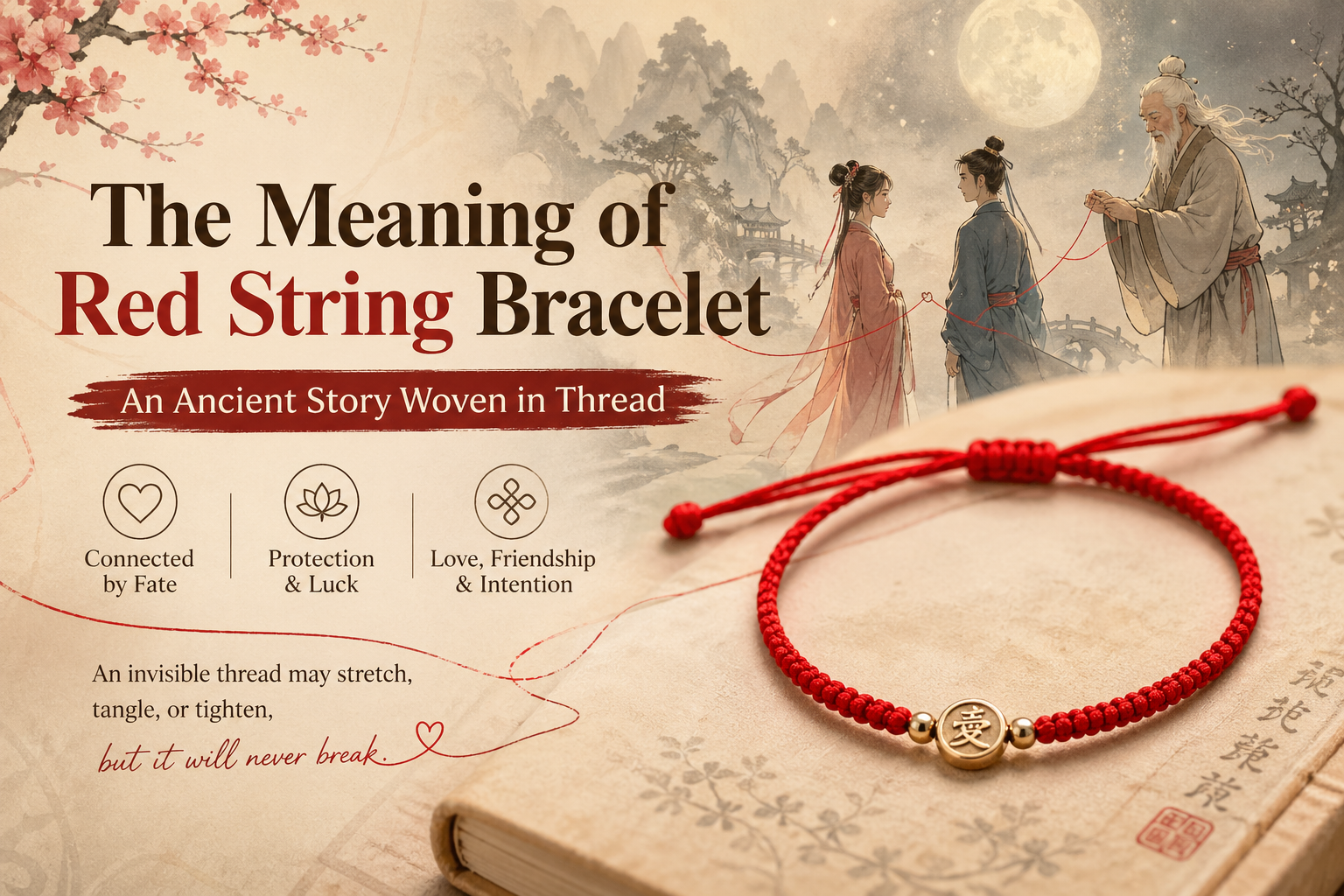
If you’ve ever noticed someone wearing a simple red string bracelet, you might assume it’s just a minimalist accessory. No gemstones, no metal—just a thin cord, often tied in a knot. But behind that simplicity lies a story that stretches back centuries, carrying ideas of fate, protection, and connection.
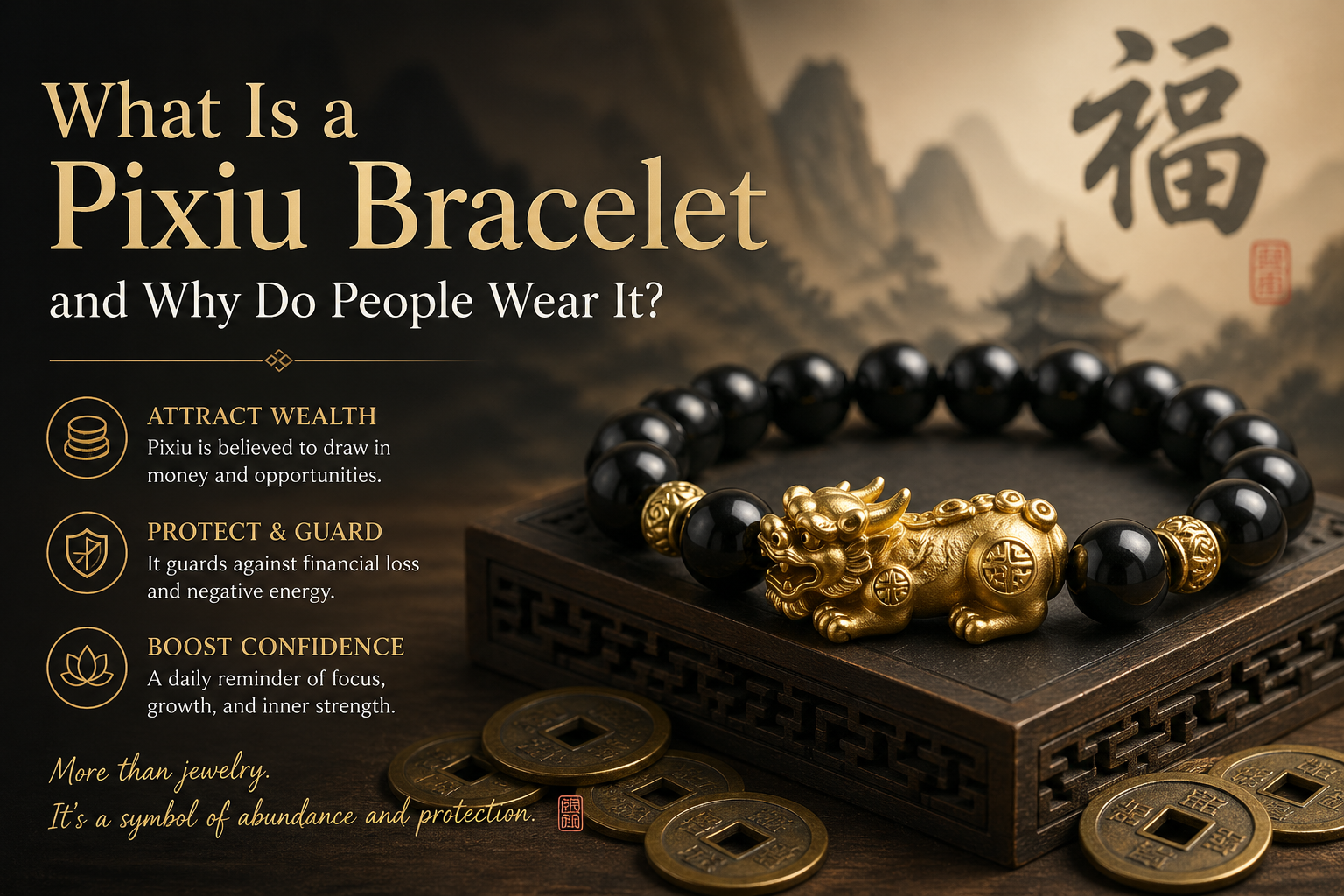
If you’ve ever browsed through spiritual jewelry or Feng Shui-inspired accessories, you might have come across a curious little creature carved into a bracelet—part lion, part dragon, with a fierce expression and a single horn. That’s Pixiu (pronounced pee-shyoo), and for many people, it’s much more than just decoration.
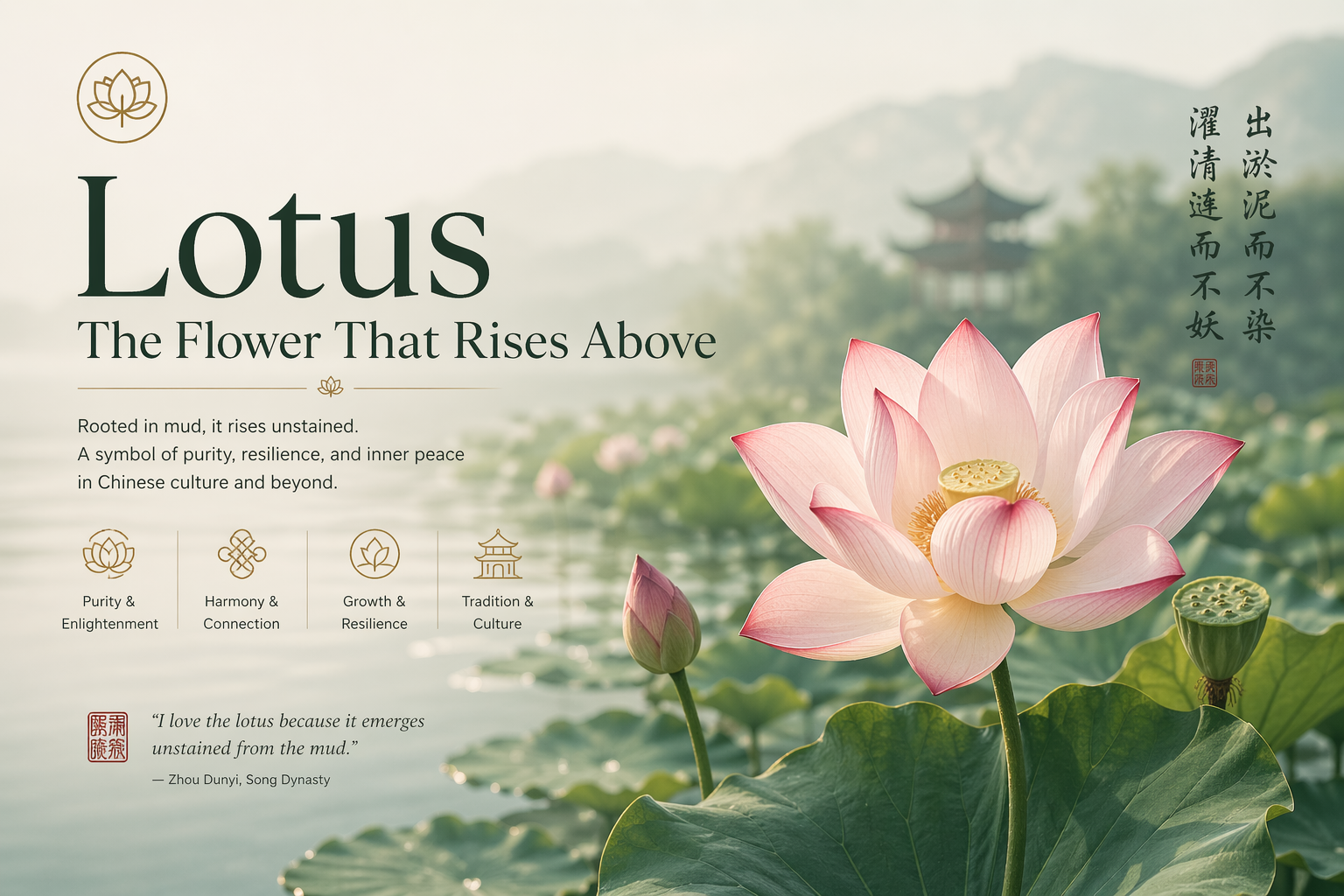
If you’ve ever seen a lotus bloom in person, you’ll understand why it’s more than just a flower in Chinese culture—it’s a quiet philosophy, a way of seeing the world. The lotus grows in muddy water, rooted deep in the dark silt of ponds and lakes. Yet somehow, it rises clean and unblemished to the surface, unfolding petals that look almost too perfect to be real. It doesn’t hide where it came from. It simply transforms it.
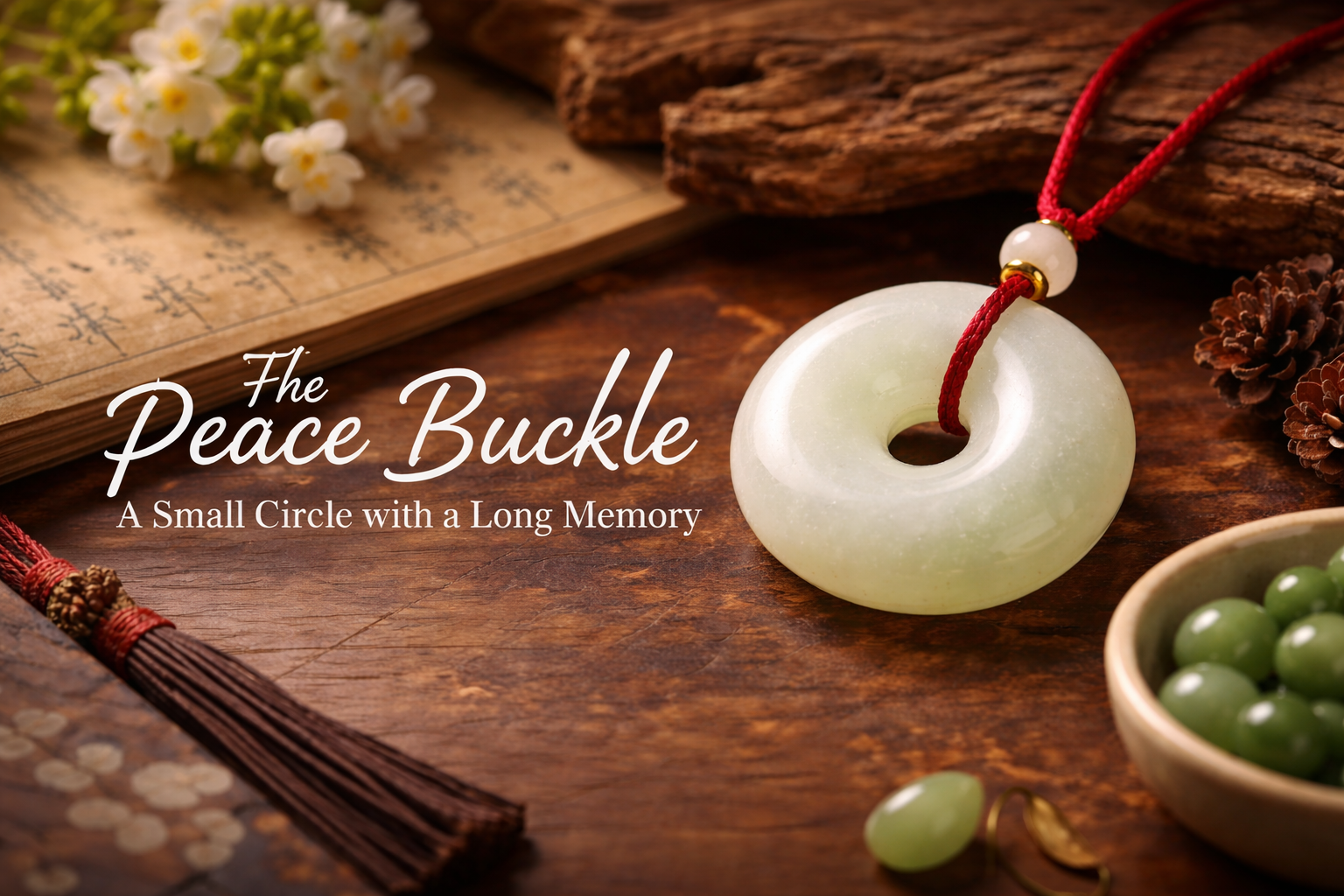
If you spend enough time around traditional Chinese jewelry, you’ll start noticing a simple shape that keeps coming back—a smooth, round disc with a hole in the center. It doesn’t glitter like diamonds or shout for attention. In fact, it’s almost quiet. This is the Ping An Kou, often translated as the “Peace Buckle,” and for many people in China, it’s more than just an ornament. It’s something you carry, almost like a wish you can touch.
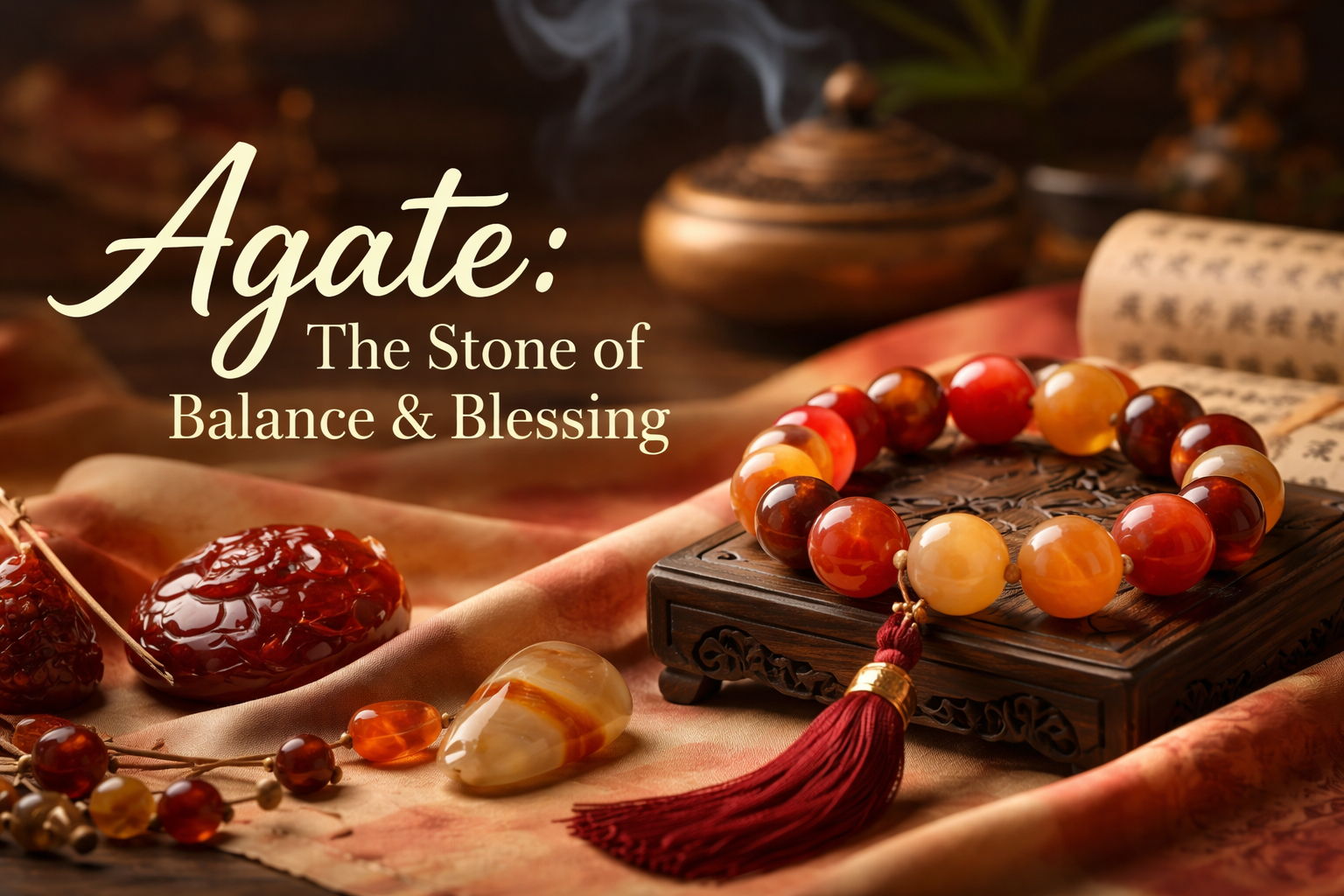
Unlike gemstones that dazzle with brilliance, agate draws people in with its layered beauty—soft bands of color, natural patterns, and a calming presence that feels almost alive. Each piece is unique, shaped slowly by the earth over millions of years, carrying the kind of beauty that feels timeless rather than flashy.
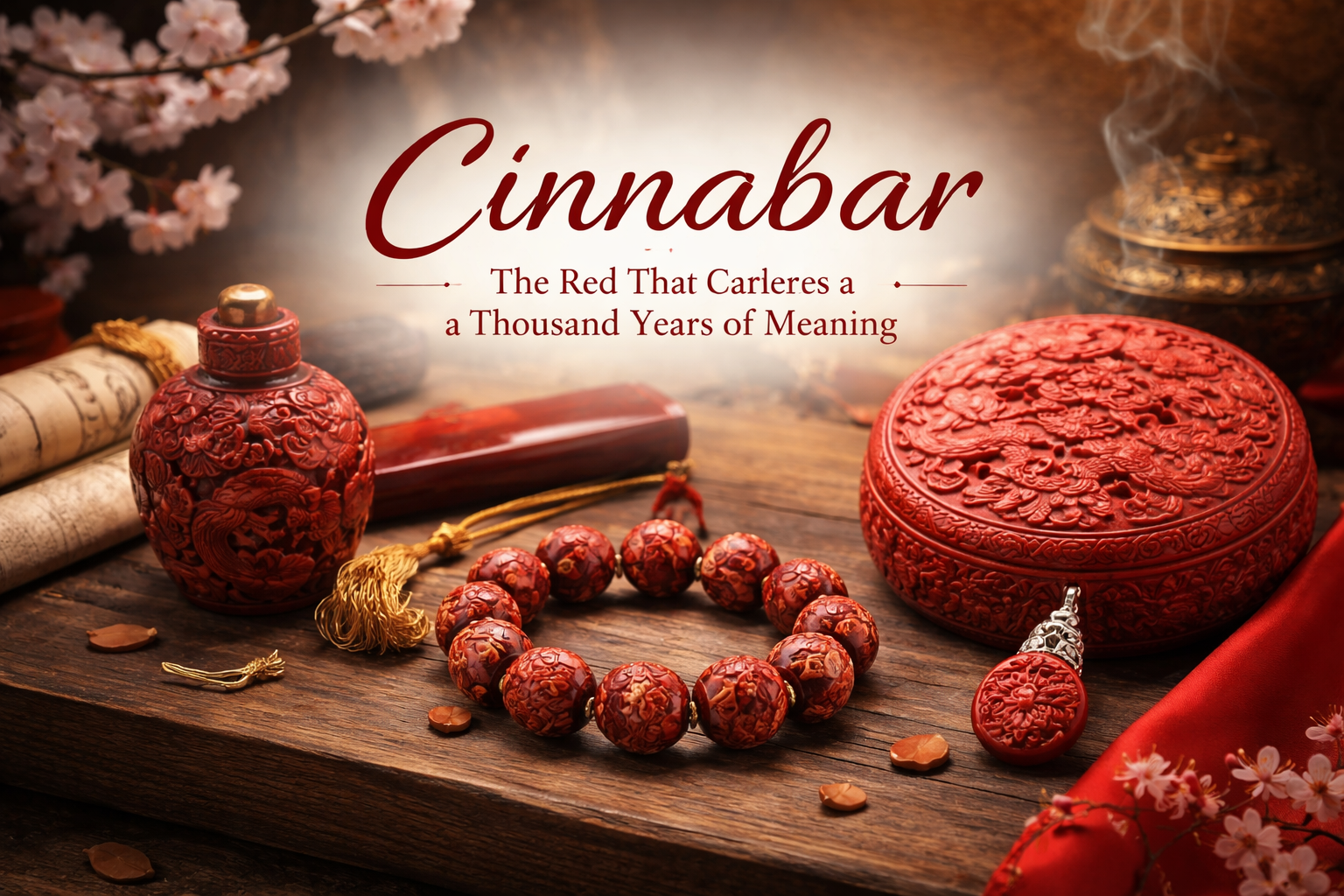
If you’ve ever wandered through a traditional Chinese market or browsed an antique shop, you might have noticed a deep, almost glowing red—rich, warm, and impossible to ignore. That color often comes from cinnabar, a material that has quietly traveled through thousands of years of Chinese history, carrying with it stories of protection, power, and spirituality.

If you ever wander through an old Chinese market, tucked between jade pendants and carved wooden beads, you might notice something humble hanging from a string: a dried gourd. Light, warm in tone, sometimes polished smooth, sometimes intricately carved. It doesn’t shout for attention—but it has a way of holding it.
เปลี่ยนสิ่งที่คุณเรียนรู้ให้เป็นชิ้นงานที่สวมใส่ มอบเป็นของขวัญ และระลึกถึงได้ทุกวัน