
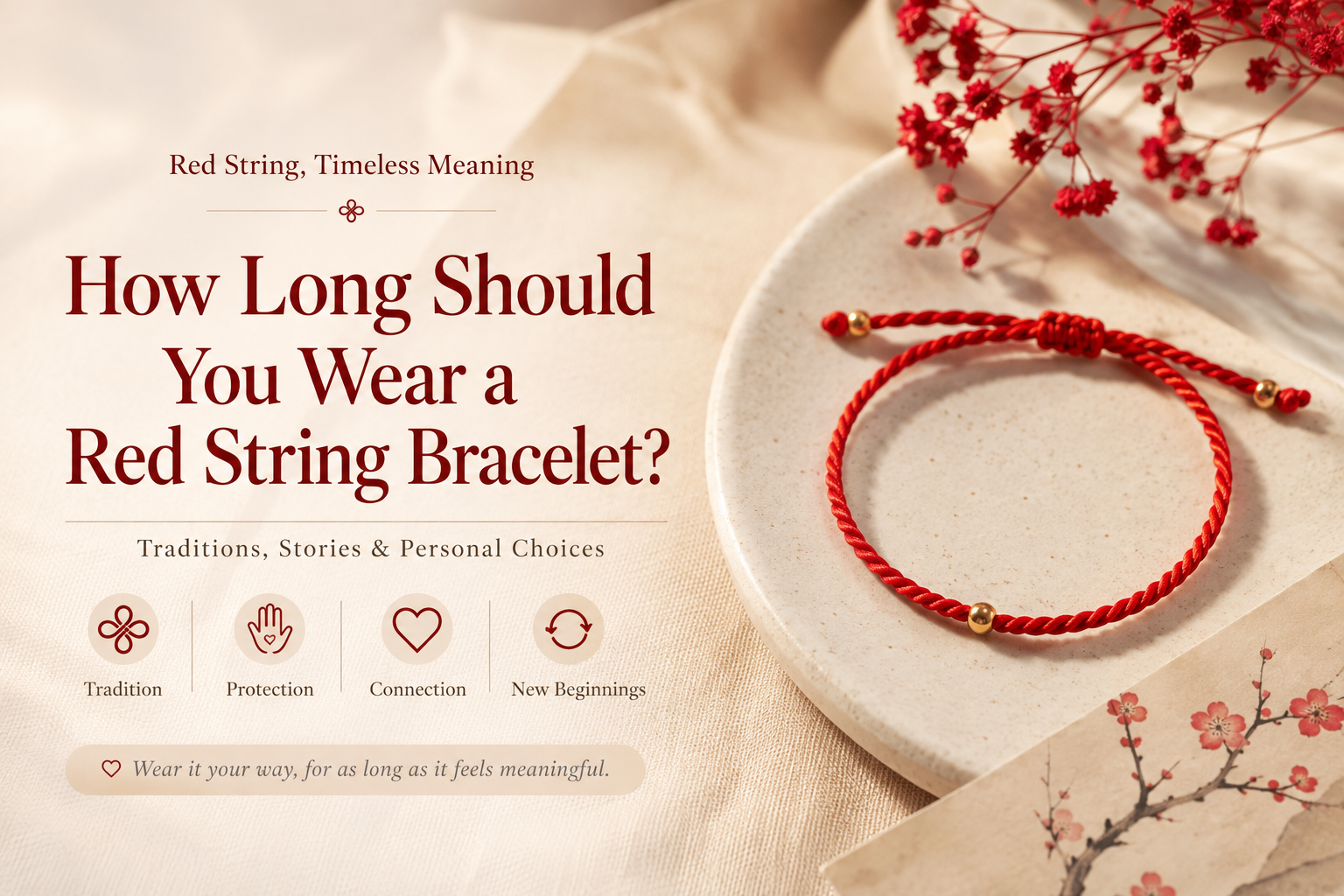
A red string bracelet is one of those small things that can quietly become part of your everyday life. You put it on because someone gave it to you, because you liked the meaning behind it, or simply because the bright red thread looked good on your wrist. Then, a few weeks or months later, you may start wondering: How long am I actually supposed to wear this?
The short answer is that there is no universal deadline.
Traditionally, a red string bracelet is often worn for as long as it feels meaningful to the person wearing it. Some people keep theirs on for a few months, while others wear the same bracelet until the thread naturally becomes worn or breaks.
The longer answer is a little more interesting.
Is There a Traditional Time Limit?
Not really.
In many traditions, symbolic bracelets are not treated like something that "expires" after 30 days, 100 days, or one year. The meaning usually comes from why you wear the bracelet rather than how many days it stays on your wrist.
In Chinese culture, red has long been associated with happiness, celebration, good fortune, and protection. You see it everywhere during Lunar New Year, weddings, birthdays, and other important moments.
Because of this cultural connection, many people believe that wearing a red string can serve as a small reminder of good wishes or positive intentions.
That does not mean the thread itself guarantees luck. Traditionally, symbolic objects often work more like personal reminders: they connect you with a wish, a relationship, a memory, or a cultural tradition.
Some People Wear It Until It Falls Off
One common approach is surprisingly simple: leave it on until it naturally wears out.
Red string bracelets are usually made from relatively simple cord, so over time they may fade, stretch, loosen, or become thinner.
Some people believe that when a bracelet eventually breaks on its own, it has reached the end of its symbolic journey. Others see nothing mystical about it at all. A piece of string that you wear every day will eventually wear out.
I actually like the second interpretation just as much.
A faded bracelet can tell a story. Maybe you wore it through a new job, a difficult year, a long trip, or the beginning of a relationship. By the time it breaks, it may have become less of an accessory and more of a tiny record of that period in your life.
What About the Red Thread of Fate?
There is also a romantic side to red thread traditions.
In Chinese folklore, the "red thread of fate" is associated with the idea that people who are destined to meet are connected by an invisible red thread. The thread may stretch or become tangled, but traditionally, the story suggests that the connection remains.
Similar ideas became familiar in Japanese popular culture through the concept of akai ito, or "red thread."
Modern red string bracelets are not necessarily the same thing as the legendary red thread of fate, but the story has influenced how many people think about red thread jewelry today.
For couples, friends, or family members who wear matching red strings, the bracelet may simply represent connection. In that case, you might wear it for as long as that meaning feels important to you.
Can You Take a Red String Bracelet Off?
Of course.
There is no need to become anxious about removing it.
Some traditions encourage continuous wear, especially when the bracelet was tied during a meaningful ceremony or given with a particular intention. But in everyday life, practicality matters too.
If you are swimming, showering frequently, working with chemicals, exercising heavily, or doing something that could damage the bracelet, taking it off may help it last longer.
For adjustable red string bracelets, removing them occasionally is especially easy.
Traditionally inspired jewelry should fit into your life, not make your life more stressful.
When Should You Replace It?
There is no fixed schedule, but there are a few natural moments when replacing your red string makes sense.
You may want a new bracelet when the old thread becomes badly frayed, the knot no longer feels secure, or the color has faded more than you like. Some people also replace their bracelet around Lunar New Year because red is strongly connected with renewal and good fortune during the festival.
Others choose a new red string when entering a new chapter in life: moving to another city, starting a relationship, beginning a new job, graduating, or simply deciding that they want a fresh start.
In these situations, the new bracelet can become a personal marker of that change.
What Should You Do If the Bracelet Breaks?
First, don't panic.
You will sometimes hear claims online that a broken red string means it "absorbed negative energy" or protected you from something bad. These are spiritual interpretations rather than something that can be proven.
Many people believe in these meanings, while others simply recognize that thread naturally weakens with daily wear.
If your bracelet had sentimental value, you can keep it in a small box or pouch. If you prefer to replace it, you can tie on a new one and carry the original intention forward.
There does not have to be a complicated ritual.
So, How Long Should You Wear It?
Wear your red string bracelet for as long as it remains comfortable, meaningful, and safe to wear.
That might be three months. It might be several years. You might remove it every evening, or you might leave it on until the thread finally gives way.
There is no stopwatch hidden inside the tradition.
For me, that is part of the charm of red string jewelry. It is incredibly simple: just a small red thread around the wrist. Yet depending on the person wearing it, that thread can represent luck, love, protection, friendship, family, or a promise to oneself.
Traditionally, symbols gain meaning through the stories people attach to them.
So instead of asking, "Have I worn this long enough?" perhaps the better question is:
"Does this bracelet still mean something to me?"
If the answer is yes, there is probably no reason to take it off yet.

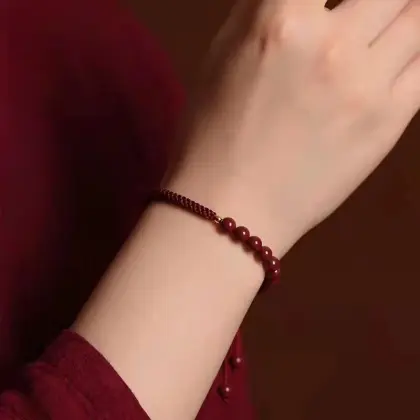
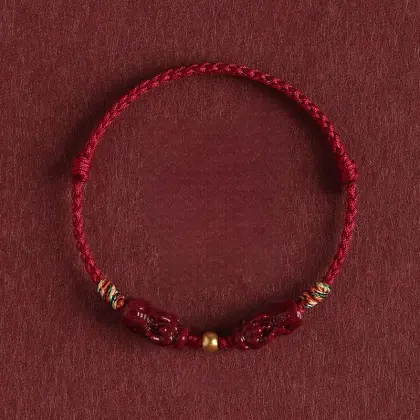
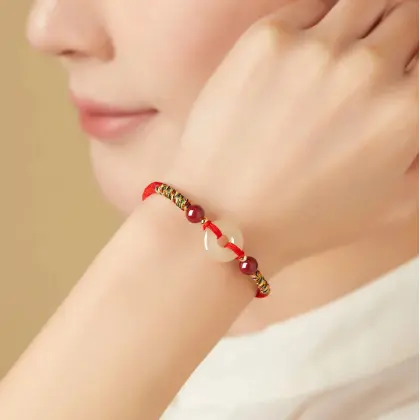
評論 (0)
還沒有評論,成為第一個留言的人吧!
Leave a Comment
Please note, comments must be approved before they are published.